Pick'em: a sportsbook for a different generation
A B2B 'More or Less' player props sportsbook built from scratch, shipped via casino aggregator and live under 12 months.
2025
Winner
Sportsbook Innovation (Supplier)
Overview
Pick'em is the first white-label 'More or Less' player props prediction built for B2B iGaming. A product category that didn't exist, built from scratch and live in under a year.
Impact
10 Months
Concept to first live operator
Shipped inside a 12-month window
5
Continents
South America, Asia, Europe, Australia, North America
3
New aggregator deals
Increasing ability to upsell casino content
Opportunity
The B2B iGaming market had no answer for the modern fan
Most sportsbooks were built for a different era — designed for desktop, for experienced bettors, and for markets measured in fractional odds.
The younger and modern fan that follows LeBron or Messi rather than a team scoreline was largely ignored. They wanted to bet on players, not markets.
B2C disruptors like Underdog Fantasy and PrizePicks had already proven the model: reduce the decision to a single binary — more or less — and unlock a new audience.
No B2B equivalent existed. The opportunity was to build the first white-label Pick'em engine that any operator could plug in and own.




Core ideas
Simplify the bet, amplify the player
The entire product rests on removing complexity without removing engagement. Every core decision traced back to one question: does this make it easier to care about the outcome?
#1
One question, not a market
Traditional sportsbooks ask users to navigate hundreds of markets, odds formats, and bet types. Pick'em reduces the entire decision to a single binary: more or less? Removing that cognitive load was what unlocked a new audience.
#2
Follow the player, not the scoreline
Modern sports fans identify with individual athletes far more than with teams or match outcomes. Structuring predictions around player performance stats rather than match results made the product feel native to how that audience already consumes sport.
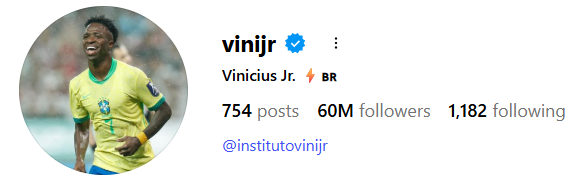
60M followers
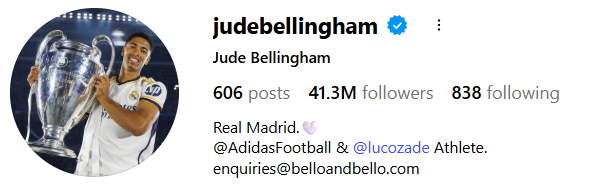
41.3M followers
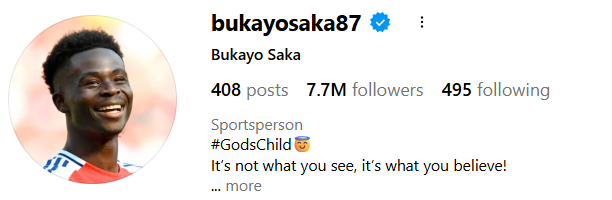
7.7M followers

512M followers

673M followers
#3
The multiplier is the mechanic
important for risk managementThe payout multiplier is what makes a pick feel meaningful. I modelled the formula from scratch, reverse-engineering competitor logic before rebuilding it to protect operator margins while keeping the reward feel fair and transparent to the player.
Product decisions
Binary mechanic over flexibility
Removing odds, markets, and bet types wasn't simplification for its own sake. It was a deliberate decision about who we were building for and what friction was worth keeping.
3-layer integration as a feature
Routing through the aggregator added complexity but gave operators a faster path to go-live. The integration overhead was a known trade-off made consciously to accelerate commercial reach.
Player-first data model
Structuring predictions around individual player stats rather than match outcomes was a product decision, not a design one. It determined the data feeds we needed and the markets we could support.
Own the multiplier model
The payout formula was built from scratch rather than lifted from a competitor. Reverse-engineering existing models gave a baseline, then rebuilt to protect operator margins while keeping rewards fair and transparent.
User experience
Designed to feel like a game, not a bet
Every design decision was made to reduce friction and increase investment. The goal was a product that felt immediately intuitive to someone who had never placed a sports bet in their life.
#1
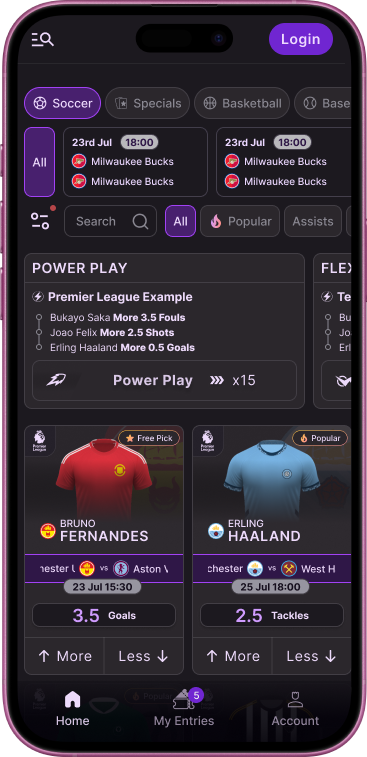
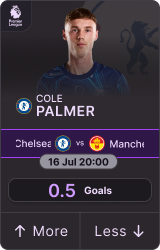
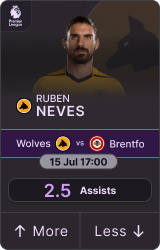
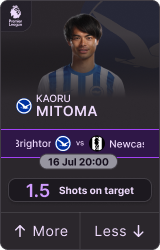
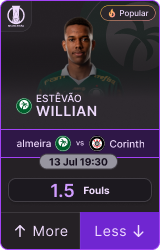
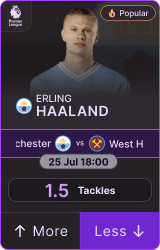
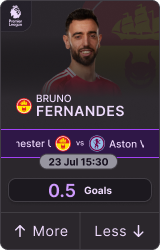
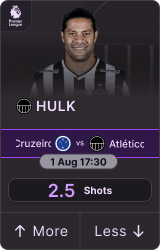
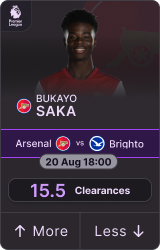
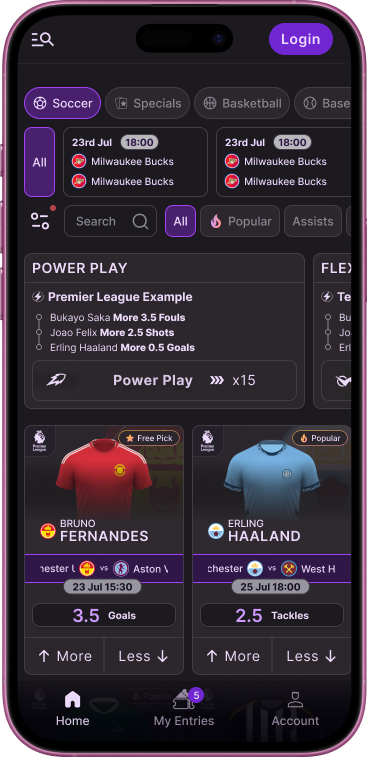
Card-based player selection
Players are surfaced as cards rather than rows in a table. Each card leads with the athlete's image and stat line, making the choice feel personal and visual rather than analytical.
#2
A slip built for every type of player
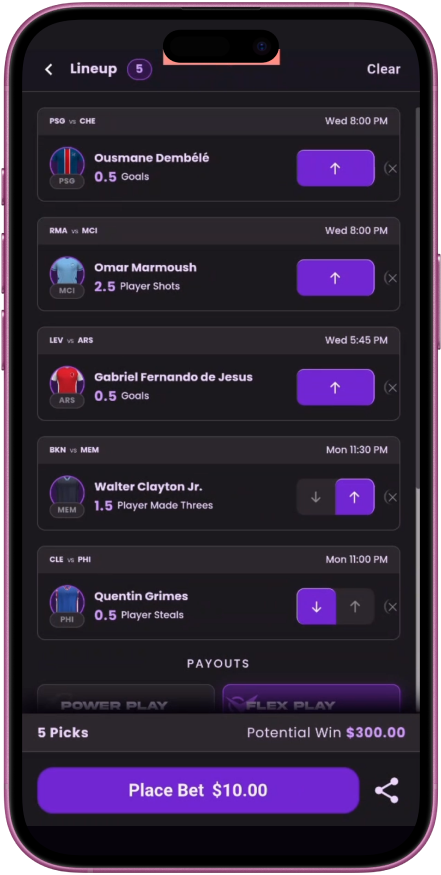
The betslip offers two modes: Flex Play for risk-averse players who want a safety net on their picks, and Power Play for those chasing bigger returns. Rather than a one-size-fits-all slip, the format adapts to how bold the player wants to be, making Pick'em accessible to a much wider audience.
#3
Outcome moments
When a leg settles, the feedback is deliberate. A won leg feels different to a lost one. These micro-moments were considered individually because they are what players remember and come back for.
Integration process
Three layers of dependency, one product to deliver
Every operator integration ran through a 3-layer stack: Pick'em, a casino aggregator, and the operator's own platform. Each layer moved at a different speed, held different technical standards, and had different stakeholders. Misalignment at any layer created cascading delays.
Navigating this required a flexible microservice architecture that could absorb inconsistency across operator environments, and constant stakeholder alignment to keep all three parties moving in the same direction. The complexity was known — and managed as a deliberate product constraint rather than a failure of planning.
Bonus
A free-to-play acquisition layer
Pick'em doubled as an acquisition tool for operators. Deployed in free-to-play mode, it gave operators a zero-friction way to onboard users who weren't ready to deposit, using the prediction mechanic to build familiarity and habit before converting them into real-money players.
The launch
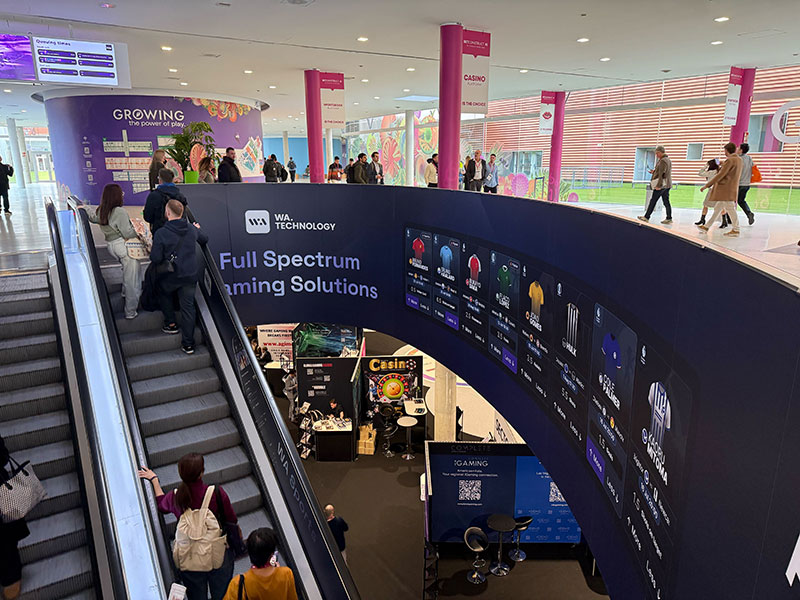
From zero to five continents in under a year
Pick'em went live with its first operator in Q4 2025, less than 12 months after the initial concept. The first integration absorbed the full complexity of the 3-layer architecture and proved the model worked end-to-end.
By Q1 2026, five operators are scheduled to be live across South America, Asia, Europe, and North America.
I've learned that
Integration complexity compounds
A 3-layer dependency (our product, the aggregator, the operator) sounds manageable until each layer moves at a different speed. Every misalignment multiplied. Building in reconciliation checkpoints earlier would have saved weeks.
Multiplier logic is a product decision
Getting the maths wrong isn't just a technical failure. It erodes player trust and squeezes operator margins. Owning the model end-to-end, not delegating it, was the right call.
Operators are not interchangeable
Each operator brought different fan bases, sport preferences, and technical standards. Assuming one integration pattern would scale across all of them cost us time on every new launch.
Speed to first live beats speed to perfect
The first operator taught us more than six months of internal testing ever could. Getting something live and learning from real usage was always the faster path.