Healthcare Patient Portal
Redesigning the digital front door for a healthcare network with 500K active patients.
Role
Design Lead
Team
3 designers, 8 engineers, 2 researchers
Duration
6 months
64%
Active Usage
+73%
Task Completion
4.6/5
Satisfaction
-28%
Call Reduction
The Problem
Patient portal engagement was critically low at 18% monthly active usage, with a 62% task abandonment rate for core workflows.
Patients reported difficulty finding test results, scheduling appointments, and communicating with providers.
The existing interface was built over 7 years of incremental additions with no cohesive information architecture.
62% task abandonment rate for core patient workflows including scheduling and messaging.
No structured research program existed to understand patient needs and pain points.
The Action
Directed a mixed-methods research program including contextual inquiries with 45 patients, card sorting with 120 participants, and analytics deep-dives.
Directed a mixed-methods research program including contextual inquiries with 45 patients and card sorting with 120 participants.
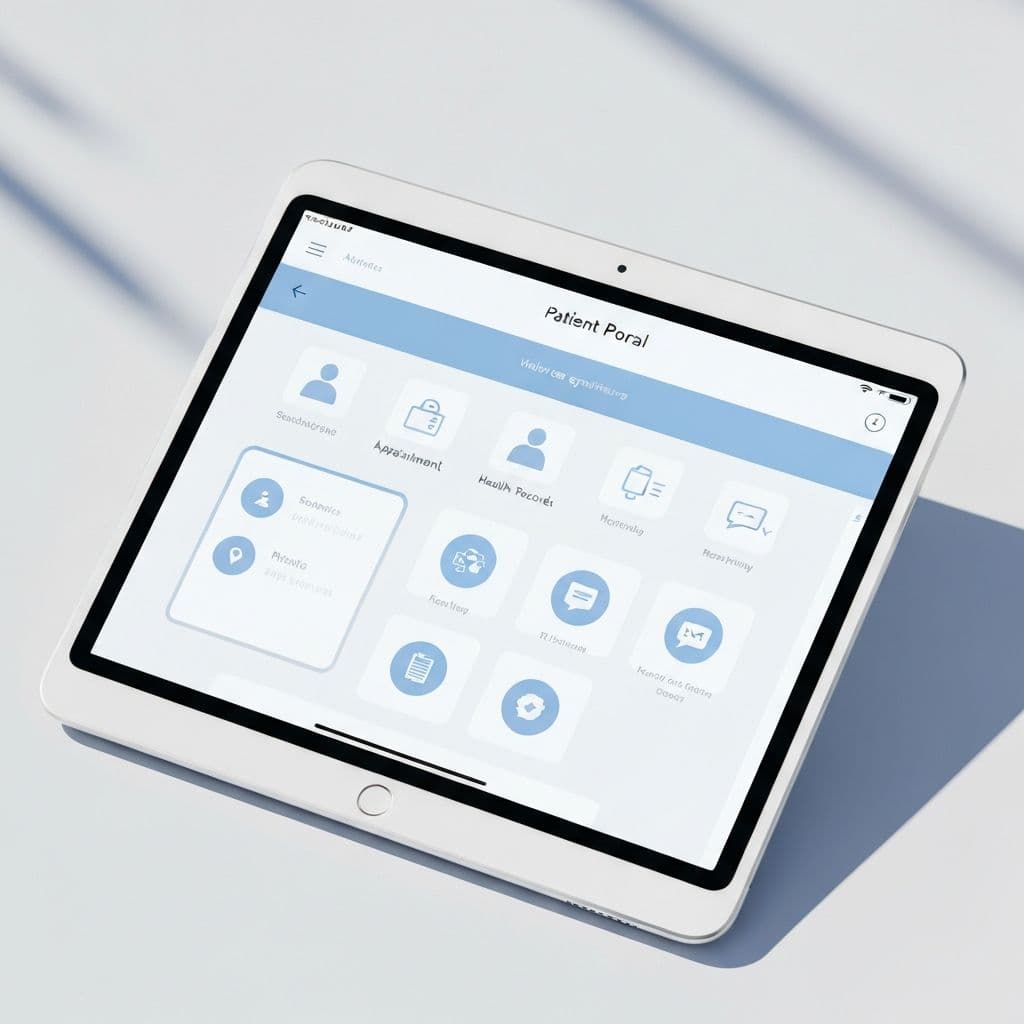
Redesigned information architecture centered on three primary patient jobs: viewing records, scheduling care, and messaging providers.
Prototyped and validated a progressive disclosure model that surfaces critical information first while keeping advanced features accessible.
Implemented an incremental rollout strategy, migrating users in cohorts with embedded feedback mechanisms.
The Outcome
The redesigned portal became the primary channel for non-urgent patient-provider communication, transforming digital engagement.
Monthly active usage increased from 18% to 64% within four months of full rollout.
Task completion rate for appointment scheduling improved by 73%.
Patient satisfaction scores rose from 3.1 to 4.6 out of 5.